
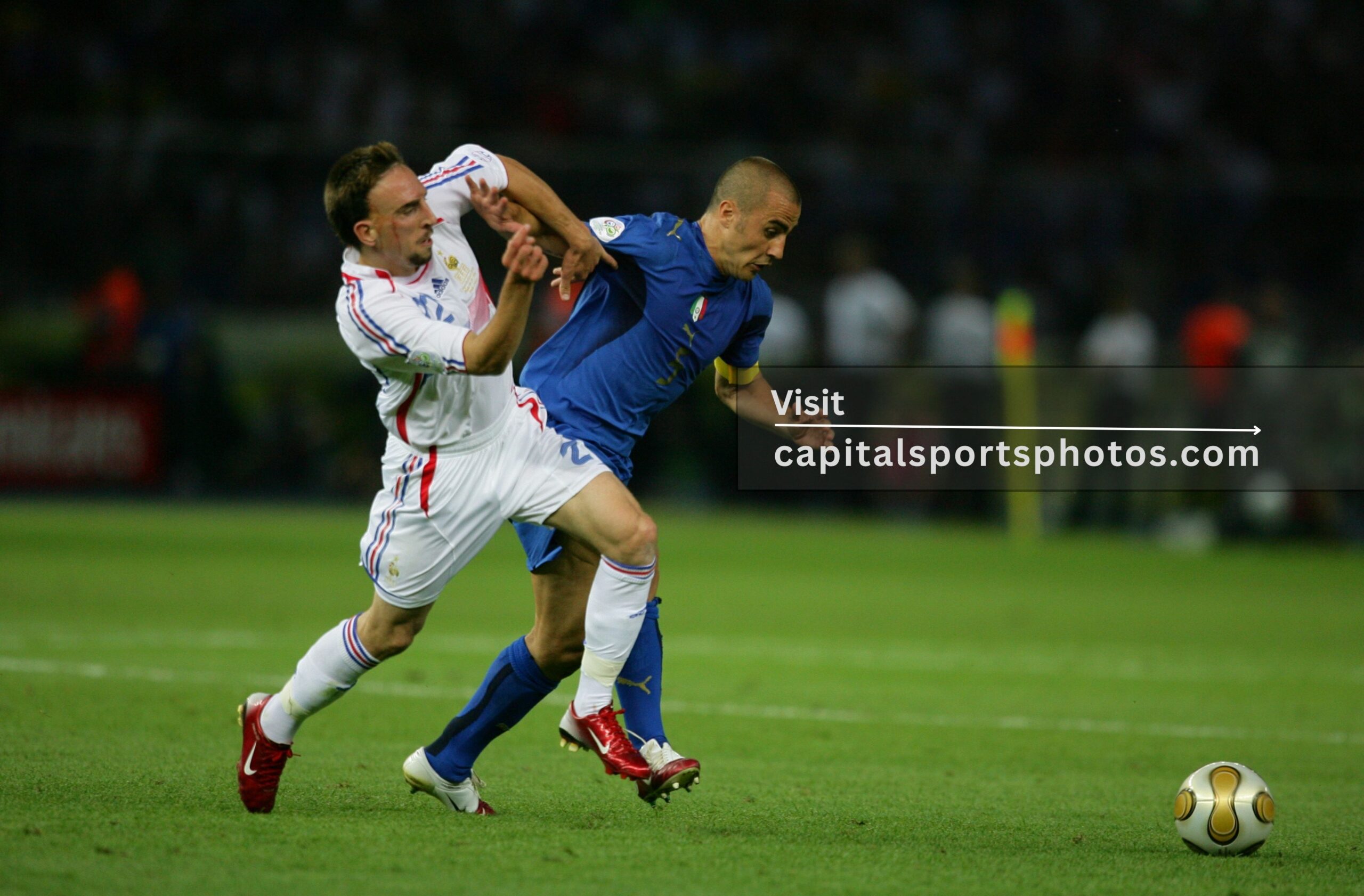
Before smartphones, instant uploads, and social media timelines, sports photography was a very different craft.
Photographers could not instantly review hundreds of digital shots. Fans could not livestream every moment from the stands. Images from major tournaments traveled slowly across newspapers, magazines, and television networks.
And perhaps because of that, every photograph mattered more.
During the golden era of sports photojournalism, photographers captured not just football matches or Olympic events, but the emotion, atmosphere, and humanity surrounding the game itself.
At Capital Sports Photos, our archive preserves many of these authentic moments from international tournaments across the 1990s and early 2000s.
A Different Era of Sports Photography
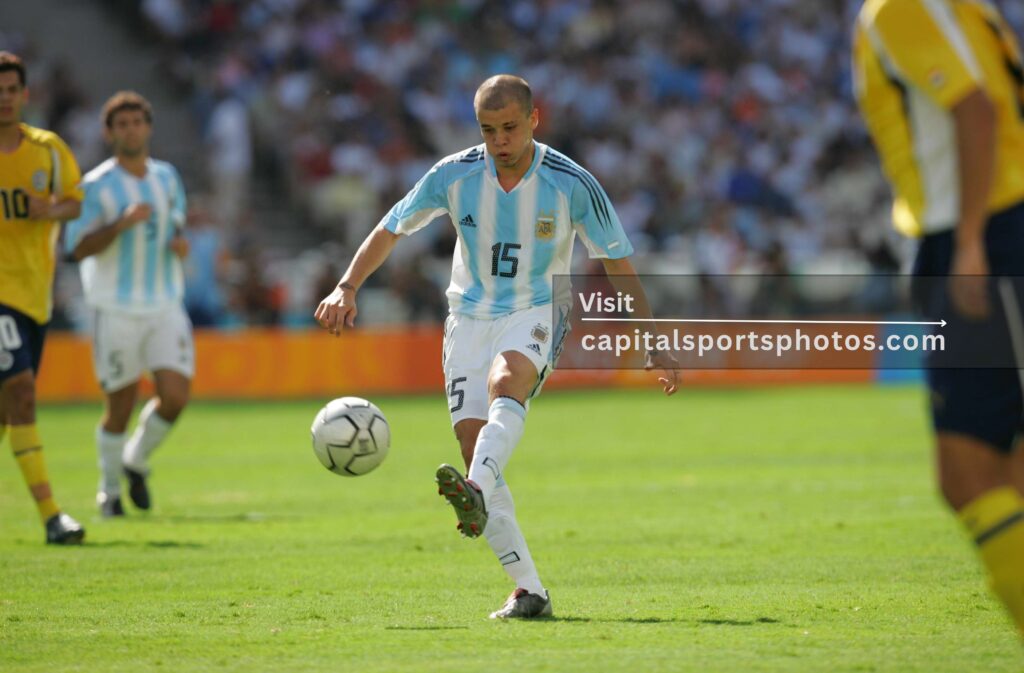
Today, millions of sports images are uploaded online within minutes of kickoff.
But before smartphones transformed media forever, sports photojournalists worked under completely different conditions.
Photographers covering events like the FIFA World Cup or Olympic Games relied on:
- Film cameras and early digital equipment
- Limited storage capacity
- Careful timing and precision
- Experience rather than instant previews
There was no luxury of taking thousands of random photos.
Every frame had to count.
Capturing Emotion Beyond the Scoreline
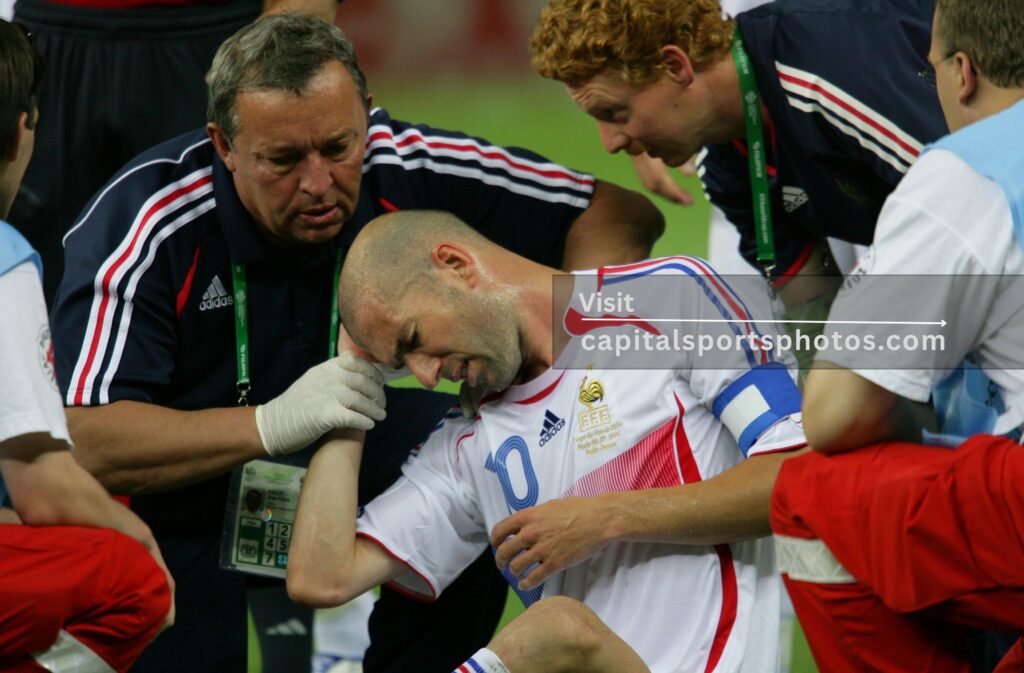
The greatest sports photographers understood something important:
The soul of the game often existed away from the ball.
Some of the most powerful sports images ever captured were not goals or trophies, but moments like:
- A fan crying after elimination
- Players embracing after defeat
- A coach staring silently into the distance
- The nervous tension before kickoff
- The joy exploding in the stands after a dramatic goal
These were the human moments that defined sport.
And before smartphones flooded the world with endless content, professional photojournalists were among the few people trusted to preserve them.
The Magic of Stadium Atmosphere
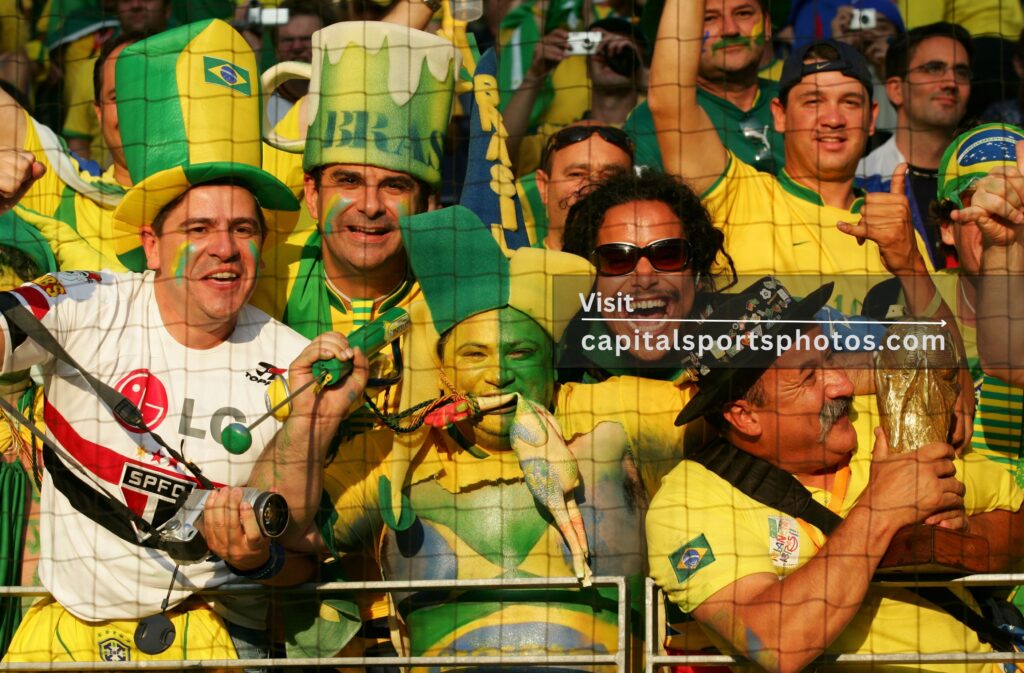
One of the most remarkable aspects of historical sports photography is the atmosphere it preserved.
From packed stadiums during the Africa Cup of Nations to the global spectacle of the 2006 FIFA World Cup, photographers documented more than the action on the pitch.
They captured:
- Flags waving across crowded stands
- Fans painted in national colors
- Emotional reactions after crucial goals
- The electricity of major tournament nights
These scenes represented the emotional heartbeat of global sport.
Why Pre-Smartphone Sports Images Feel More Authentic
Modern sports photography is impressive, but historical sports images often carry a different emotional weight.
Why?
Because they were not created for instant social media engagement.
They were captured with patience, timing, and storytelling in mind.
Before smartphones:
- Access to players was more limited
- Behind-the-scenes moments were rarer
- Fan reactions felt more natural
- Photographs were less staged and less filtered
As a result, many archival sports images feel raw, honest, and timeless.
The Role of the Sports Photojournalist
Sports photojournalists were more than photographers.
They were storytellers documenting history in real time.
Covering global tournaments required:
- Long travel schedules
- Technical expertise
- Fast decision-making
- Deep understanding of the sport
For decades, experienced photographers traveled from country to country documenting major sporting events under intense pressure.
At Capital Sports Photos, many of the images in our archive were captured over a 30-year career covering international tournaments for the Voice of America.
This experience provided access to moments that many fans never had the opportunity to witness.
Rare Sports Photography in the Digital Age
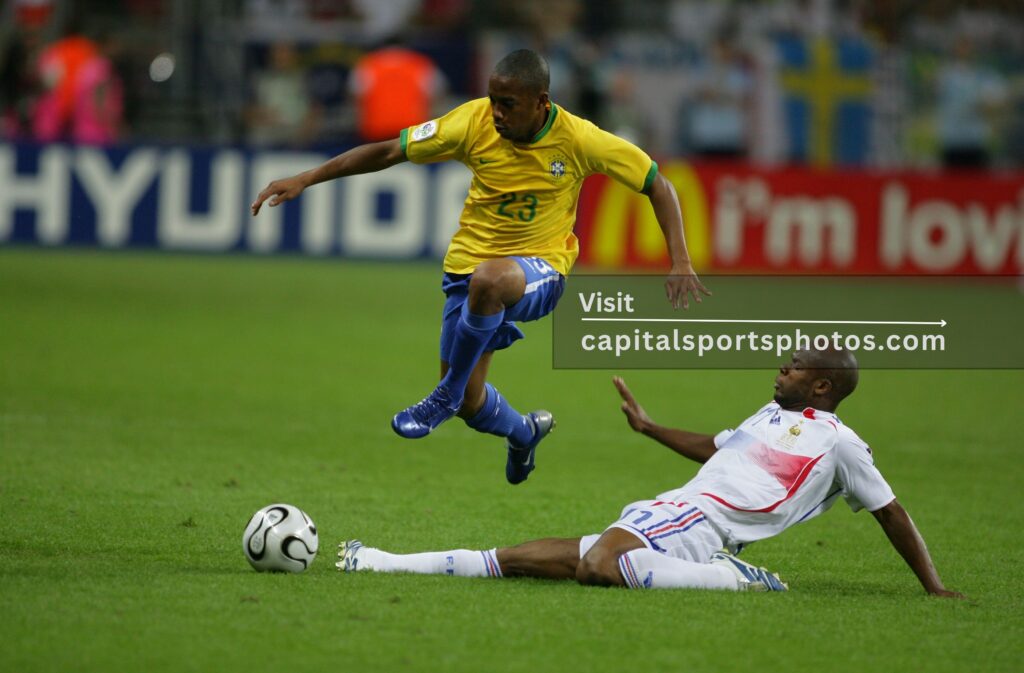
As modern media continues moving faster, rare archival sports photography is becoming increasingly valuable.
Content creators, documentary producers, bloggers, and sports historians are now searching for authentic imagery from the pre-social media era because these photographs offer something modern content often lacks:
Authenticity.
Historical sports images help audiences reconnect with:
- The culture of the game
- Legendary tournaments
- Iconic players
- Real fan experiences
Football Before Social Media
The football world of the 90s and early 2000s felt very different from today.
Fans experienced tournaments together in stadiums, homes, and public viewing centers—not through endless phone screens.
That atmosphere is visible in historical photographs from tournaments such as:
- 1998 FIFA World Cup
- 2002 FIFA World Cup
- 2006 FIFA World Cup
These images preserve an era many football fans still consider magical.
Why These Images Still Matter Today
Sports photography is not only about documenting games.
It is about preserving memory.
A single image can transport people back to:
- A famous match
- A legendary player
- A moment shared with family and friends
- A feeling that words cannot fully explain
That emotional power is why historical sports photography continues to resonate decades later.
Preserving the Legacy of the Game
At Capital Sports Photos, our mission is to preserve the emotional history of sport through authentic photography captured during football and Olympic tournaments around the world.
Our archive exists to ensure that the moments which shaped global sport are never forgotten.
Because long before smartphones changed everything, sports photojournalists were already capturing the soul of the game—one frame at a time.